
semi circle led mirror
Understanding Thread Plug Gauges G and H Classes Understanding Thread Plug Gauges G and H Classes The primary function of a thread plug gauge is to verify the acceptability of external and internal threads. The G class gauges are designed for the functional limits of the thread, ensuring that the part can engage correctly with a corresponding threaded component. Typically, G class gauges are utilized for testing threads that require a higher level of precision and are often employed in production environments where maintaining tight tolerances is essential. These gauges help in ensuring that the parts not only fit together but also function effectively under various loading conditions. thread plug gauge g and h On the other hand, H class gauges are designed with a more lenient tolerance compared to G class gauges. They are used for inspecting threads that do not require as stringent specifications, making them ideal for applications where some degree of variability is acceptable. H class gauges are typically utilized in large-scale production where quick measurements are paramount, and precise fitting is not as critical. They serve to ensure that parts can still be assembled without issues, even if they may not meet the tighter tolerances dictated by G class gauges. When choosing between G and H class thread plug gauges, a manufacturer must consider factors such as the intended application, operational environment, and necessary precision levels. For instance, in aerospace or medical device manufacturing, where safety and reliability are paramount, G class gauges are often preferred. Conversely, in less critical applications, such as general manufacturing or automotive production where speed and cost-efficiency are prioritized, H class gauges may suffice. In conclusion, both G and H class thread plug gauges serve vital roles in maintaining quality standards in threaded components. By ensuring that parts meet the necessary tolerances, manufacturers can minimize defects, enhance assembly processes, and ultimately deliver higher-quality products. Understanding the distinctions between these gauge classes allows for better selection based on specific project requirements, contributing to improved efficiency and effectiveness in production environments.
about
semi circle led mirror
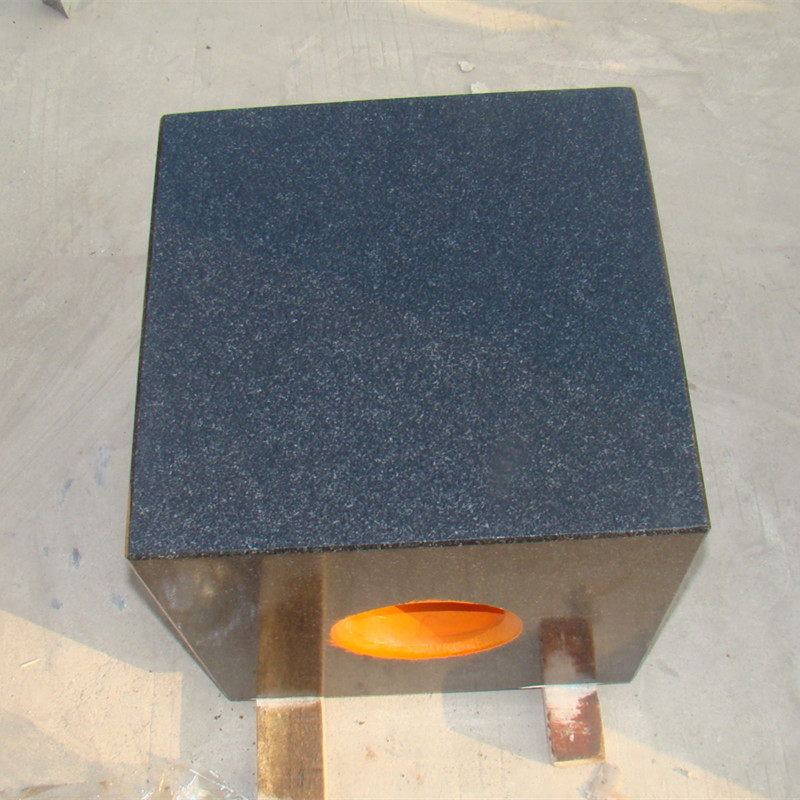
The Importance of Large Granite Surface Plates in Precision Measurement In the realm of precision measurement and quality control, large granite surface plates play a crucial role. These flat, stable surfaces provide the foundation upon which accurate measurements are taken, ensuring that the dimensions and geometries of manufactured parts meet necessary specifications. In industries such as aerospace, automotive, and mechanical engineering, the importance of precision cannot be overstated, making granite surface plates indispensable tools. Granite is a natural stone known for its durability and minimal thermal expansion. These properties are essential for maintaining the accuracy of measurements. Unlike other materials, granite does not flex or warp under heavy loads, which is vital when dealing with large components or assemblies. The inherent stability of granite ensures that the surface plate retains its flatness over time, thus providing a consistent reference point for measurement. One of the primary advantages of using large granite surface plates is their ability to withstand the rigors of shop environments . They are highly resistant to scratches, thermal changes, and chemical spills, making them ideal for use in production areas where heavy machinery and various substances are present. This robustness translates into lower maintenance costs and longer service life compared to other materials that might require frequent replacement or repairs. When it comes to precision measurement, the flatness of a surface plate is paramount. Large granite surface plates are manufactured to stringent tolerances, often measured in microns. This level of precision ensures that even the smallest deviations in part dimensions can be accurately detected. This is particularly important in high-stakes industries where even the slightest error can lead to significant operational failures or safety issues. The accuracy provided by granite surface plates contributes to enhanced quality control processes, resulting in fewer defects and improved product reliability. large granite surface plate Additionally, large granite surface plates facilitate the use of various measuring tools and instruments. Calipers, micrometers, height gages, and coordinate measuring machines (CMMs) all benefit from the steady and flat nature of the granite surface. By providing a consistent base, these tools can yield precise measurements that conform to the necessary engineering standards. This compatibility with a wide range of measurement devices makes granite surface plates versatile and highly valuable in any measurement-intensive environment. The size of granite surface plates also adds to their utility. Large plates are capable of accommodating sizeable and complex components, allowing for comprehensive inspection and measurement operations. This capability is particularly beneficial in environments where large assemblies need to be measured or aligned. The expansive surface area of large granite plates minimizes the need for multiple setups or repositioning of parts, which can introduce errors. Instead, operators can perform measurements in one go, thereby increasing efficiency and reducing the potential for mistakes. Moreover, large granite surface plates are not just limited to manufacturing contexts; they are also vital in research and development. Laboratories conducting experiments often require precise measurements to validate hypotheses or test new materials. In such cases, granite surface plates serve as stable platforms for conducting various scientific investigations where accuracy is crucial. In conclusion, large granite surface plates are foundational tools in the world of precision measurement. Their properties of flatness, durability, and resistance to environmental factors make them ideal for a variety of industrial applications. By providing a stable and accurate reference point, granite surface plates help ensure that manufactured components meet exacting standards, enhancing quality control processes and minimizing errors. Whether in manufacturing or research environments, their enduring utility makes them an essential asset, promoting precision and reliability in an ever-evolving technological landscape. As industries continue to demand higher accuracy and quality, the role of granite surface plates will undoubtedly remain significant in the pursuit of excellence.
-

High quality industrial productsagement

High quality industrial products
View Details -

Meet the diverse needs of customers

Meet the diverse needs of customers
View Details -

Strict quality control

Strict quality control
View Details -

Top raw materials

Top raw materials
View Details -

Trusted supplier

Trusted supplier
View Details
Our application


news and information
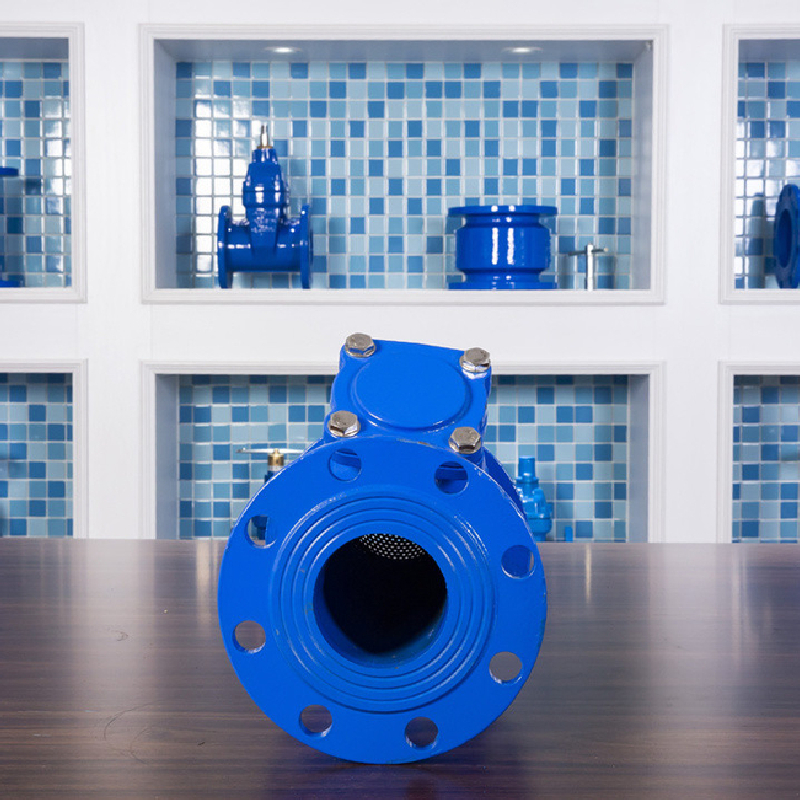
Válvula de retención de 25 mm para sistemas de plomería y fluidos industriales
25mm check valve .

Why Granite Surface Plates Outperform Other Materials
Precision is the foundation of any successful industrial or fabrication process. Whether it's for me
Using a Level for Accurate Measurements with a Marking Ruler
Using a Marking Ruler with Spirit Level A Guide to Precision in Projects When it comes to achieving
 English